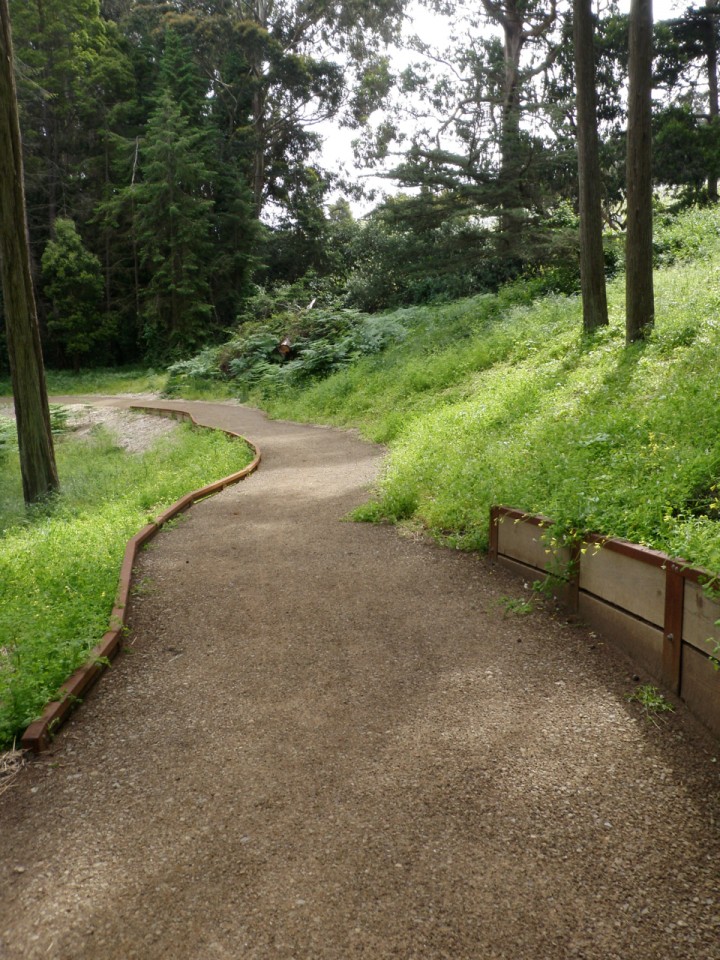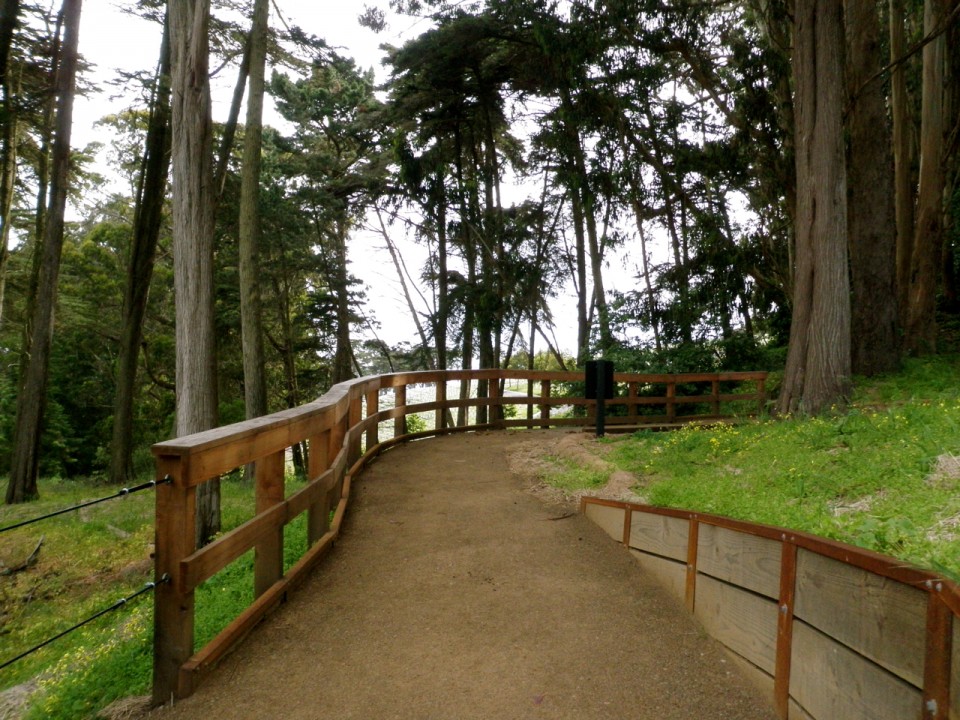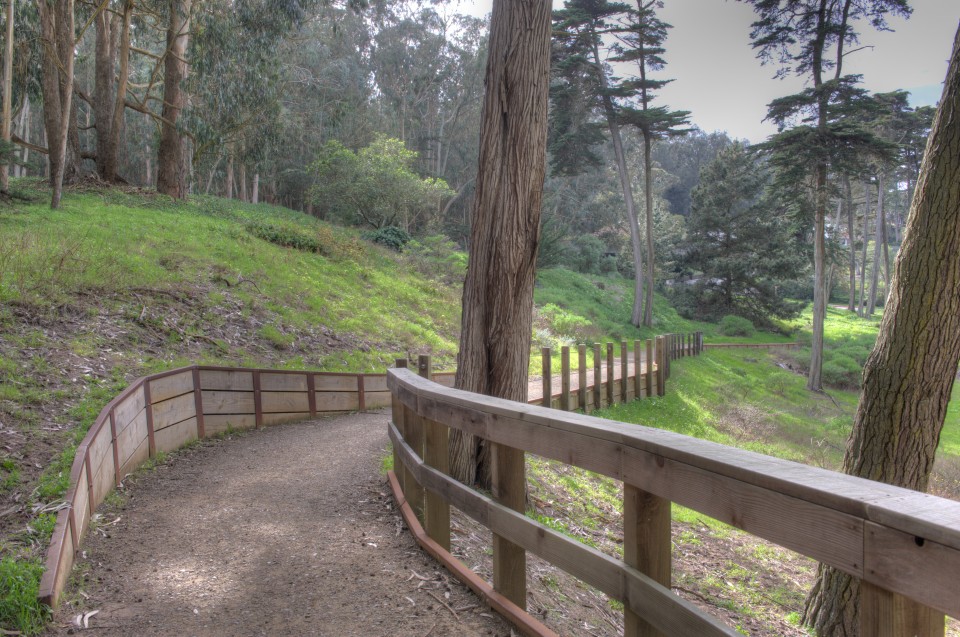
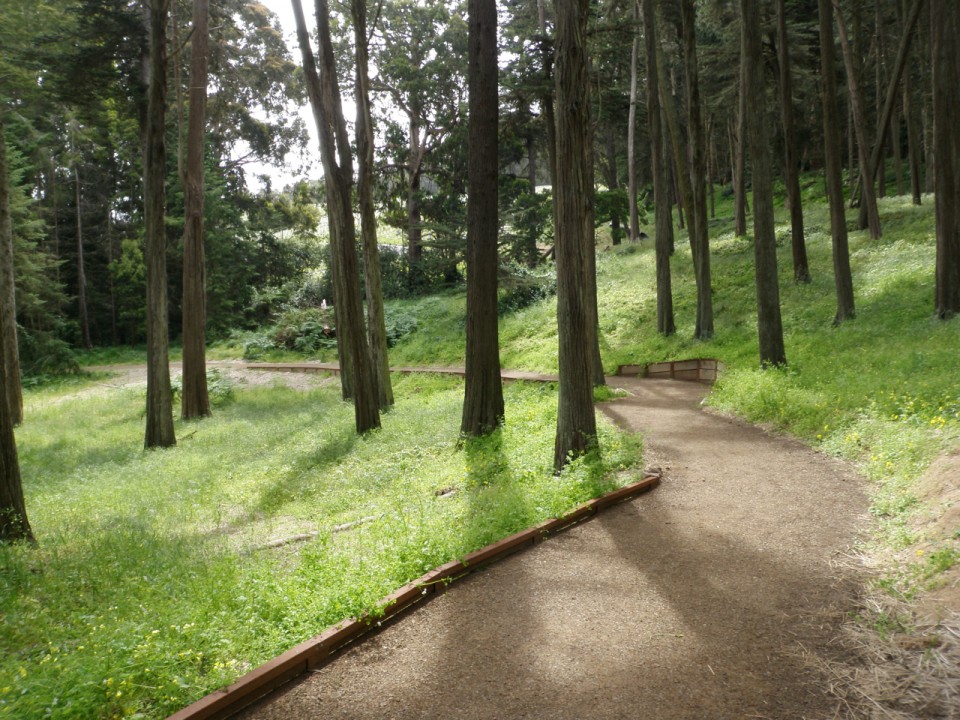
Campbell Grading, Inc., was selected to design and construct 3,500 linear feet of 6-foot-wide, outdoor accessible trail in the Presidio. The Park Trail acts as the main north-south pedestrian way through the middle of the Presidio. It runs from the Mountain Lake Trail on Washington Boulevard near the golf course, semi-parallels Park Boulevard, crosses Lincoln Boulevard, and continues down to intersect the Promenade Trail west of McDowell Avenue.
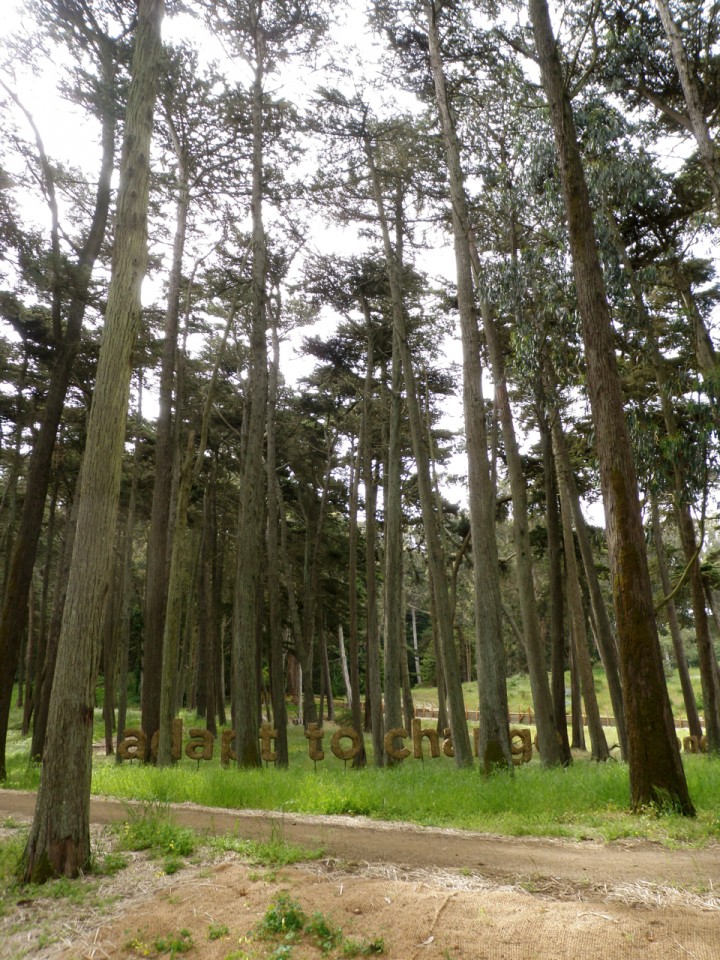
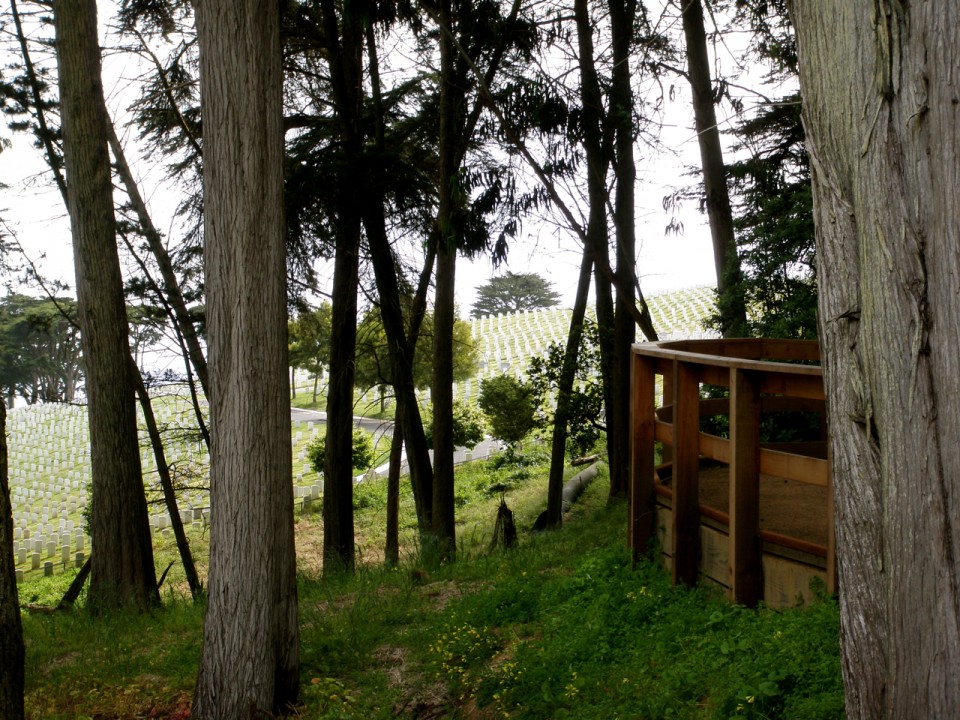
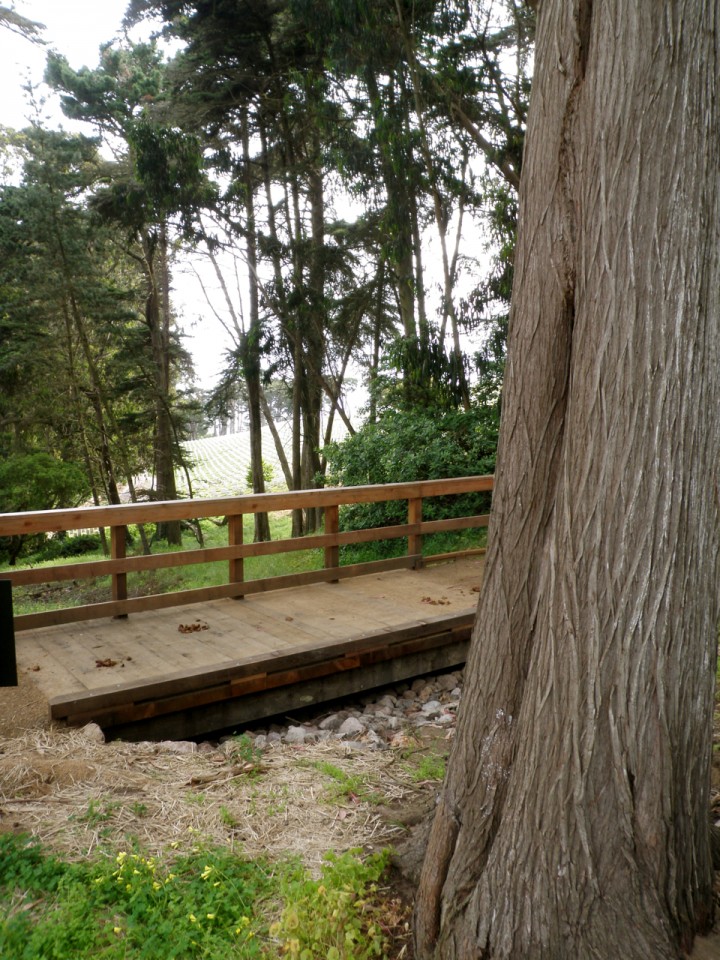
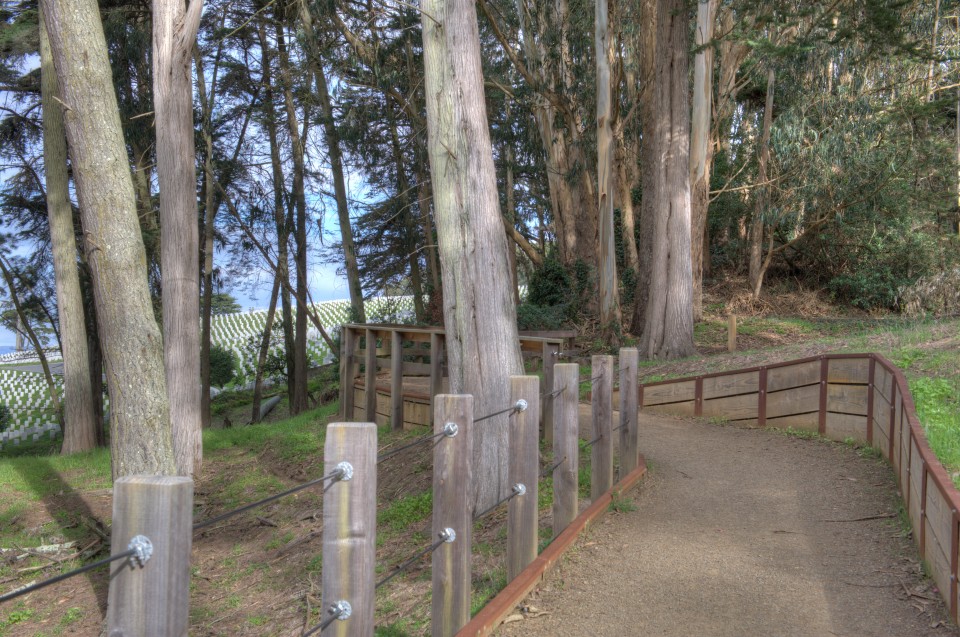
The trail design provided important reflection points and views of the San Francisco National Cemetery and Historic Forest, as well as the Presidio Habitats art installations. From May 2010 to May 2011, 11 Presidio Habitats art installations were on display in the Presidio, two of them on the Park Trail. These were site-specific exhibits celebrating the wildlife that inhabits the Presidio.
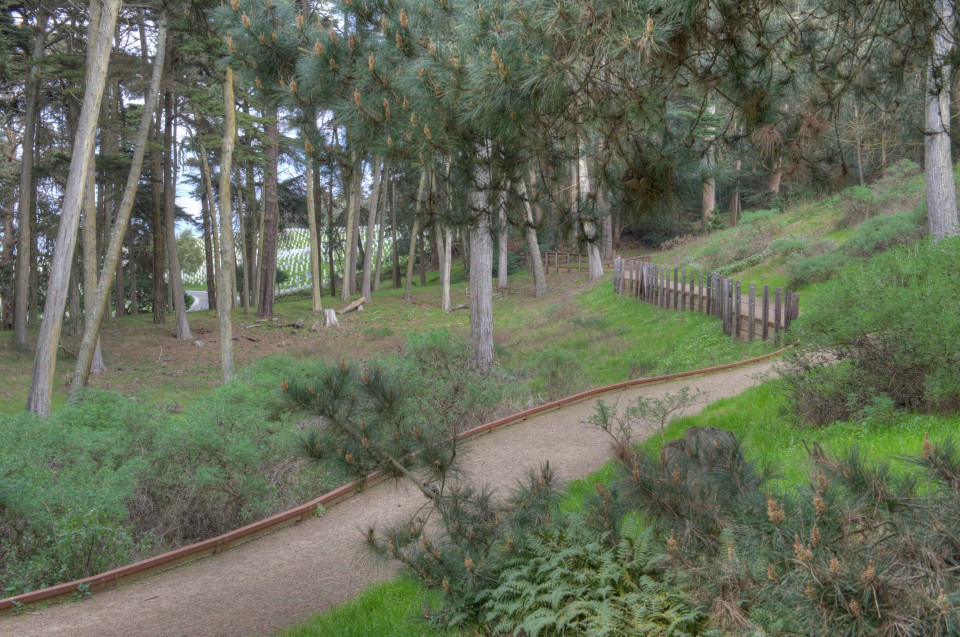
The Park Trail goes through the Historic Forest, a large stand of cypress and the most photographed forest in the Presidio. Thanks to Barth Campbell’s extensive experience and reputation for successfully working within highly constrained and sensitive landscapes, Campbell Grading, Inc., was entrusted to do work in this area, which is highly sensitive to change.
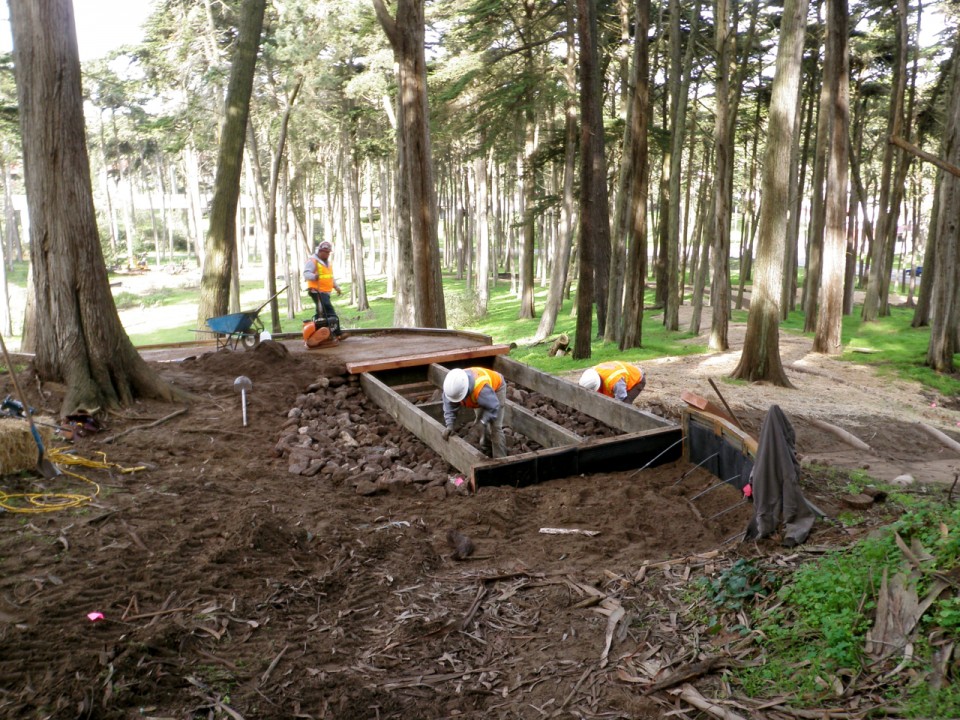
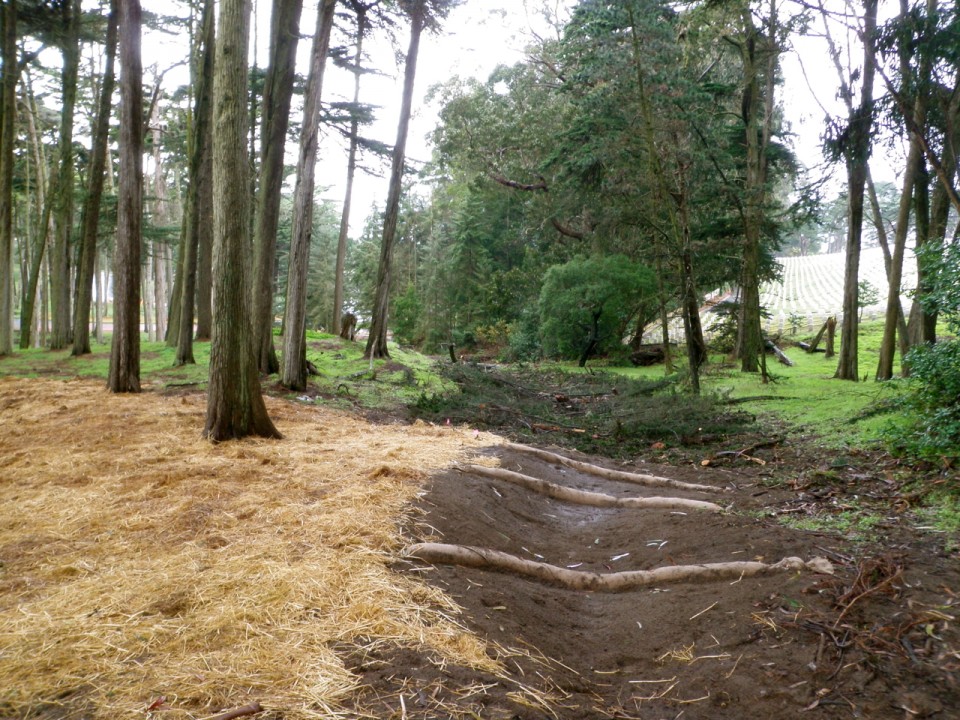
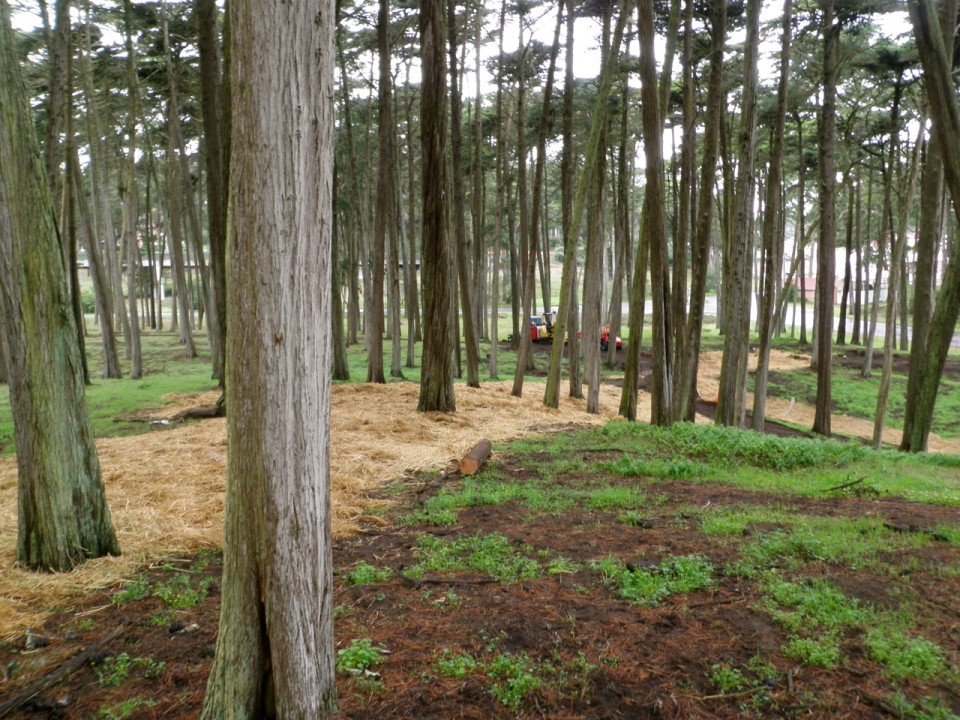
We built an outdoor accessible grade trail through the cypress stand, removing and repairing the extensive network of social trails and erosion gullies that had formed over the years. We had to remove some trees to make room for the new trail, but we utilized those trees in the decommissioning, erosion control, and restoration work we did throughout the project.
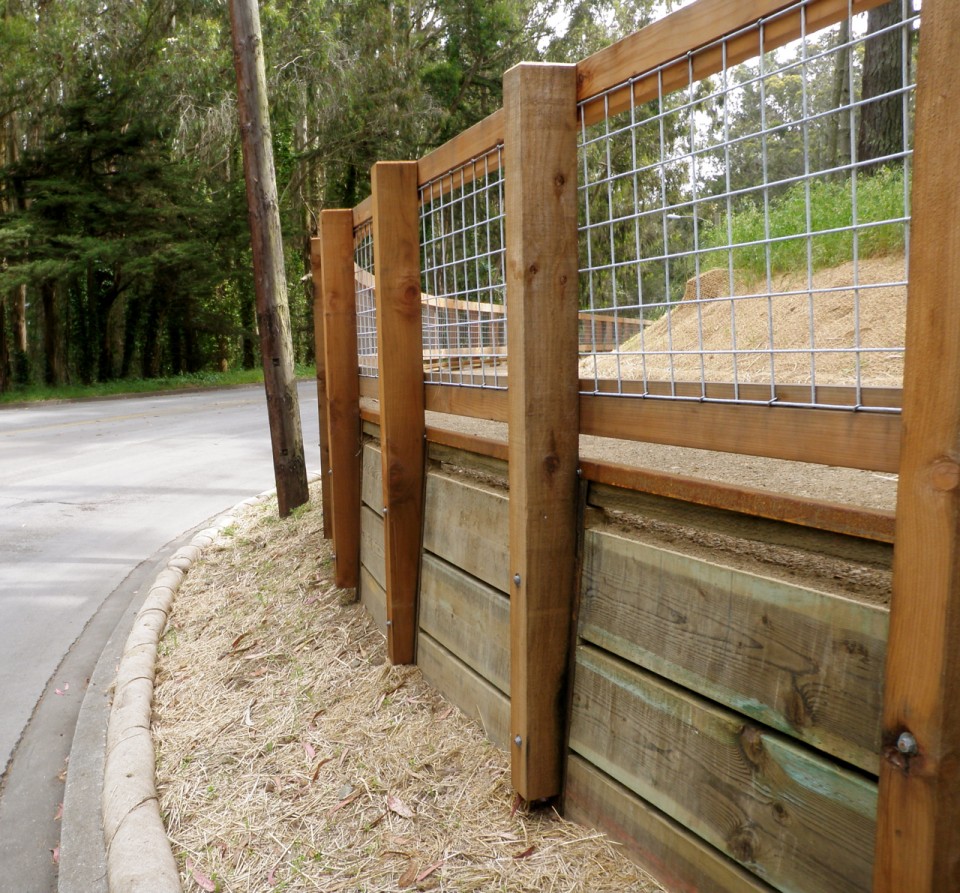
We surfaced the completed trail with 920 tons of amended chert and shale tread surface. This tread surface is engineered and developed by Campbell Grading, Inc. Additionally, we built a 16-linear-foot bridge overlooking the San Francisco National Cemetery, several hundred feet of Sutter wall, and sustainably harvested redwood railings. All of our trail construction methods and techniques were specially engineered to minimize environmental impact.